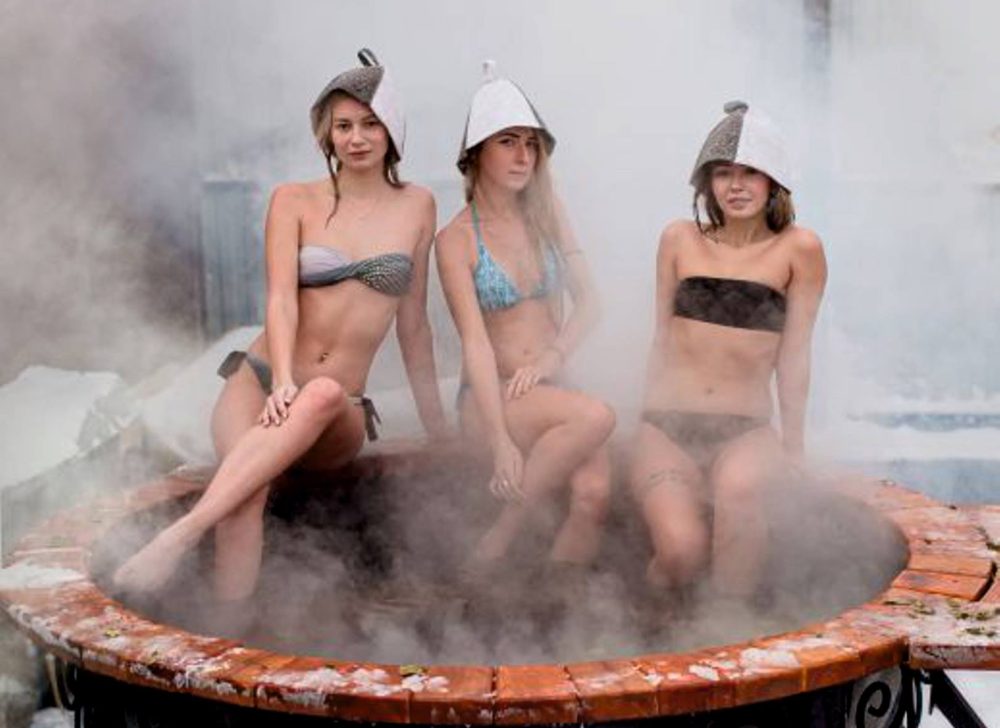
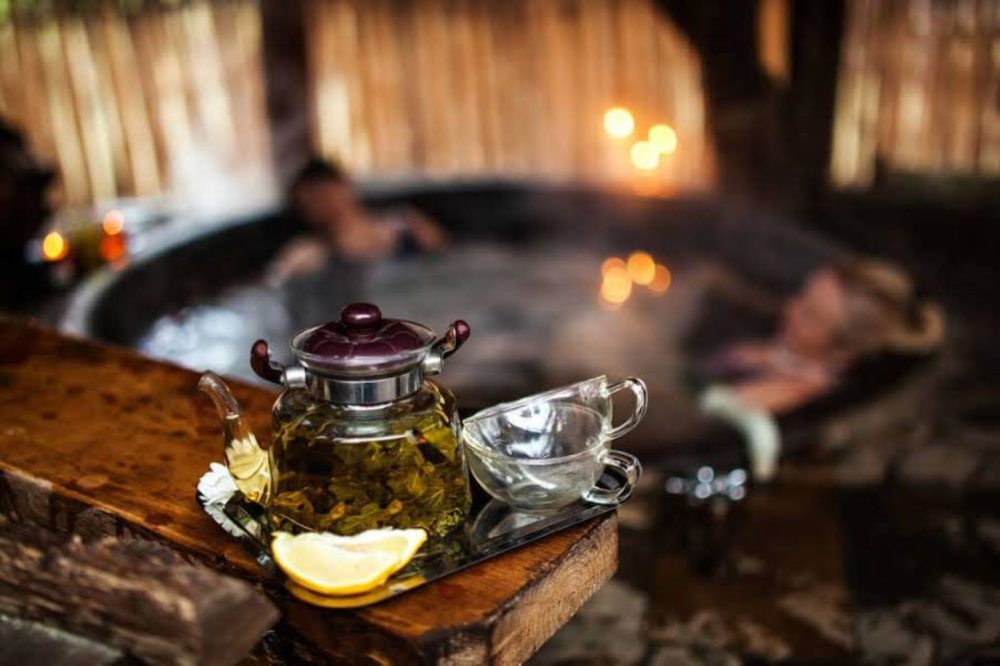
WE INVITE YOU TO ENJOY OUR REJUVENATING THERMAL SESSIONS.
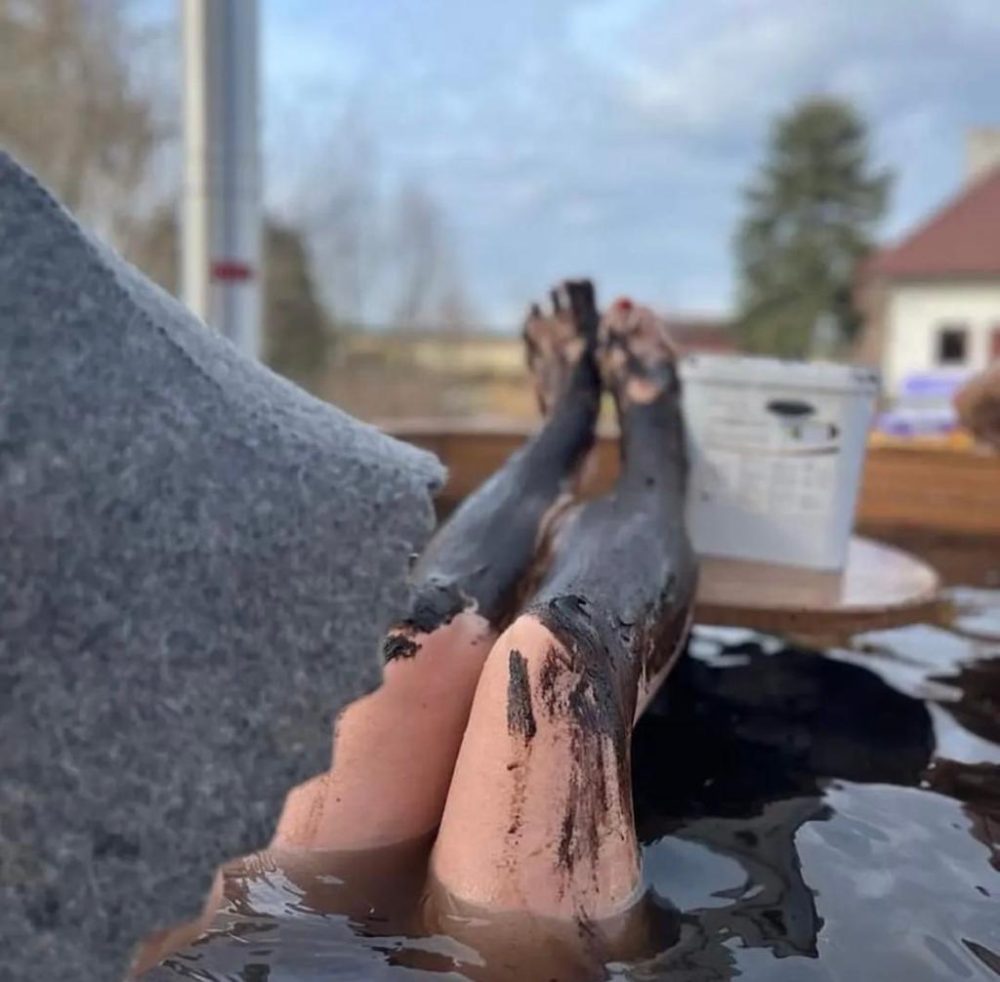
PEAT MUD BATH
A bath in a peat mud suspension facilitates the absorption of exudates that occur in various medical conditions, provides pain relief, and improves blood circulation. The temperature at which the treatment is performed plays an important role, as it induces generalized tissue warming. As a result, blood circulation is stimulated, heart rate and respiration accelerate, the skin becomes reddened, blood pressure temporarily decreases, metabolic processes are enhanced, and the anti-inflammatory properties of the peat components take effect.
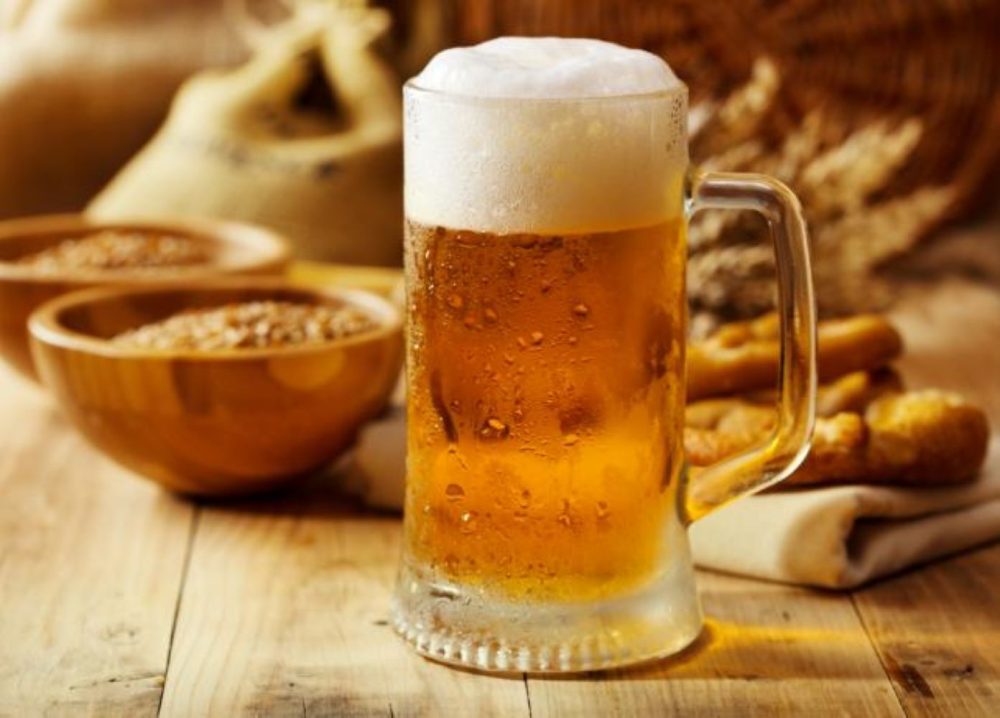
BEER BATH
The vitamins B complex, folic acid, niacin, and biotin contained in the bath ingredients help prevent migraines, support liver function, improve the appearance of skin, nails, and hair, boost metabolism, eliminate toxins from the body, strengthen immunity, and create a protective film on the skin that helps retain moisture in the epidermis.
Recommended session:
Water temperature: 39°C (102°F)
Amount of Beer Bath:
Care: 1 × 3 L
Regeneration: 2 × 3 L
Duration: up to 6 × 15 minutes with 10-minute breaks
Combination with other treatments: blend
SULFUR BATHS
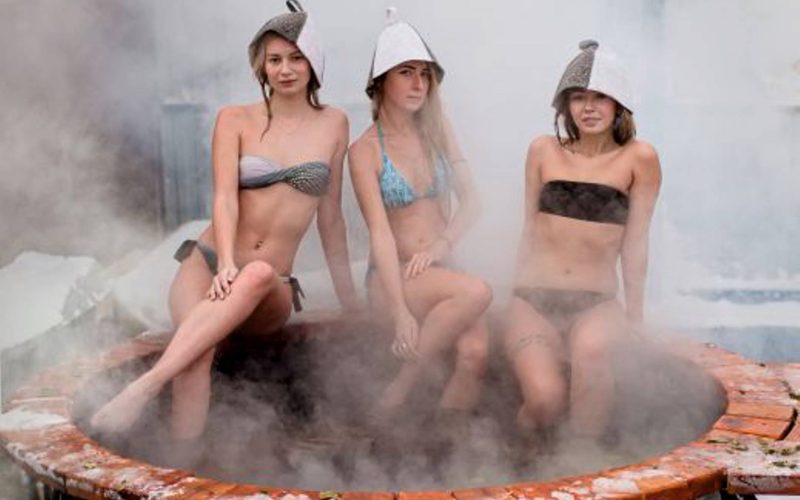
LAVA Thermal Baths are conducted in waters from popular health resorts with a high content of dissolved sulfur compounds (hydrogen sulfide, sulfuric acid) and have an alkaline pH. The water contains sulfate ions, hydrogen sulfide ions, and colloidal sulfur. Sulfur can penetrate the skin in the form of colloidal sulfur and hydrogen sulfide, and in the bloodstream it is transported as sulfates.
Sulfur penetrates the skin, causing dilation and opening of capillaries, increased blood flow, skin redness, and stimulation of metabolism in the skin. Secondary effects of sulfur-hydrogen sulfide baths include influences on the redox system, enzymatic processes, and the regeneration of joint cartilage.
Did you know that?
The LAVA sulfur bath provides pain relief, anti-allergic, antibacterial, and antiparasitic effects, and also contributes to lowering blood pressure. Its effects on the skin include softening the epidermis, loosening the intercellular substance, relaxing connections between cells, and regenerating the epidermis – demonstrating keratoplastic activity. During the bath, sensations of burning and itching may occur, which are related to the stimulation of specific receptors by sulfur, causing blood vessels to dilate and resulting in redness.
Excellent effects on joint and circulatory system diseases, as well as on skin and reproductive organ conditions. Sulfur-hydrogen sulfide baths should be part of a comprehensive treatment program, which should also include therapies that improve the musculoskeletal system, such as therapeutic exercises, physiotherapy, and massages.
Duration:
Bath temperature: 33–38°C (91–100°F)
3–4 sessions of 8–15 minutes with a 15-minute rest on a lounger / 2–3 times per week / repeated every 60–90 minutes
One therapeutic course typically includes 8–12 treatments.
Recommendations:
Principle: higher concentration = shorter bath duration.
Sulfur baths should be performed in the external SPA area (open space or ventilated rooms).
Full baths may be taken individually in LAVA tubs, provided a minimum of 2 people are present.
Typically, baths start with a short duration and gradually increase as tolerance develops, while higher temperatures in the first sessions are reduced in subsequent sessions.
Jewelry should be removed to prevent reactions of metals with sulfur, and disposable undergarments should be used.
High-concentration therapeutic sulfur baths should be performed under supervision and according to the recommendations of a doctor or physiotherapist.
Example dosing:
Solec-Zdrój Sulfur Water per 1,000 L of potable water:
Care: 10 L
Regeneration: 20 L
Therapeutic: 30–60 L
Indications for sulfur-hydrogen sulfide baths:
- Musculoskeletal diseases (osteoarthritis, post-operative conditions, inflammation, post-traumatic joint conditions),
- Cartilage disorders,
- Ankylosing spondylitis,
- Degenerative joint changes (arthrosis),
- Degenerative spinal changes,
- Shoulder pain,
- Sciatica,
- Circulatory system disorders (hypertension, circulatory disturbances, peripheral circulation disorders),
- Skin conditions (psoriasis, dermatoses, acne),
- Reproductive organ conditions (chronic endometritis, menstrual pain).
Contraindications for sulfur-hydrogen sulfide baths:
- Hypotension (low blood pressure),
- Purulent skin conditions,
- Early post-operative states,
- Cardiovascular insufficiency,
- Sulfur hypersensitivity,
- Acute disease states,
- Inflammatory respiratory diseases,
- Skin damage, skin defects, purulent skin conditions,
- Tendency for frequent bleeding,
- Recent myocardial infarction,
- Diseases with seizures,
- Pregnancy,
- Tuberculosis,
- Tumors,
- Excited states and psychosis,
- Severe psychopathy.
BRINE BATHS
Brine baths, due to their physical and chemical properties, provide beneficial regenerative and therapeutic effects. Brine is an aqueous solution containing mainly sodium, bromide, iodide, boron, and sulfate ions. At higher concentrations, the apparent reduction in body weight of a person in the bath allows for a deeply relaxing floating session. In a hot brine bath, skin osmosis delivers essential trace elements into the bloodstream.
The therapeutic effects of brine baths continue even after the bath, so it is recommended not to rinse the body for up to 12 hours (to allow salts to deposit in the superficial layer of the skin), as a salt layer forms on the skin’s surface. The deposited salt in the epidermis affects the nerve endings in the upper layer of the dermis, altering their excitability and thereby influencing the activity of the autonomic nervous system, which regulates the functions of all organs.
Brine therapies also have positive effects on enhancing the body’s immunity, treating seborrhea and psoriasis, reducing the excitability of sensory and motor nerves, regulating blood pressure, stimulating metabolism, modifying heat loss, improving circulation and skin perfusion, as well as providing a hardening (strengthening) effect on the body.
Baths can be taken individually or in groups in a LAVA tub, and exercises may accompany the sessions. The water for brine baths is heated to approximately 37–39°C (98–102°F).
Duration: 4–6 × 15 minutes with 10–15 minute breaks on a lounger / every 2 days, 3 baths per week / maximum 10 treatments per quarter.
Indications for brine baths:
- Musculoskeletal diseases (rheumatic conditions)
- Degenerative joint diseases, ankylosing spondylitis, orthopedic disorders, conditions associated with increased muscle tension,
- Neurological and neurosurgical disorders
- Chronic respiratory and sinus diseases,
- Circulatory disorders (atherosclerotic or trauma-related),
- Dermatological conditions (seborrheic dermatitis, psoriasis)
- Conditions associated with lowered immunity (requiring increased resistance to infections, convalescence after serious illness)
- Obesity
- Certain gynecological disorders (infertility, dysmenorrhea, vegetative neurosis, climacteric syndrome, age-related atrophy of reproductive organs).
Contraindications for brine baths:
- Collagen diseases (disorders of collagen synthesis)
- Early post-operative states
- Acute illness
- Inflammatory respiratory diseases
- Skin damage, skin defects, purulent skin conditions
- Tendency to frequent bleeding
- Hyperthyroidism
- Pregnancy
- Tuberculosis
- Tumors
- Ovarian insufficiency and developmental disorders of reproductive organs
- Hypertension, cardiovascular insufficiency
- Coronary artery disease with exertional angina
- Excited states and psychosis
- Severe psychopathy
Dosing:
per 1,000 L of potable water
Care: 5 kg
Regeneration: 10 kg
Therapeutic: 15–20 kg
HERBAL-HONEY BATH
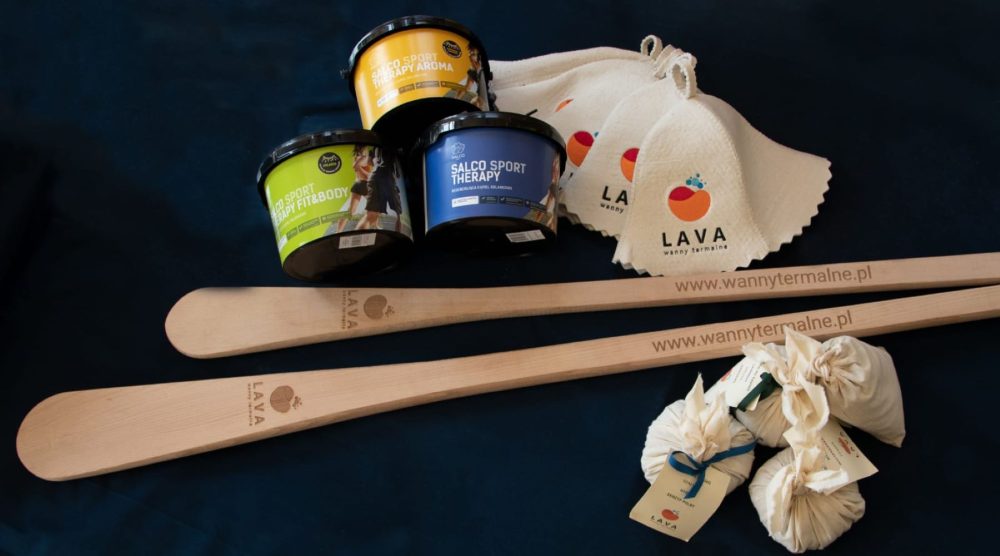
Herbal-honey bath provides excellent detoxifying and nourishing effects for the skin. It can be combined with a peeling. Herbal-honey baths have been used with great effect for various skin problems and as anti-parasitic baths. During the relaxing bath, an additional massage with a warm herbal pouch can be performed, leaving the skin smooth and cleansed.
Prices are determined individually